On Monday, February 23, 2026, the Indian Embassy in Tehran issued an urgent and “highly critical” travel advisory, instructing all Indian nationals currently residing in or visiting Iran to leave the country immediately through any available commercial means. This directive—which builds upon earlier warnings issued on January 5 and January 14—comes amidst a rapidly deteriorating security climate in the Middle East, characterized by a “triple threat” of escalating
Tehran-Washington tensions, a potential U.S. military strike, and widespread anti-government protests within Iran itself. The advisory is directed at a community of approximately 10,000 Indian citizens, including a significant population of medical students,
Shia pilgrims visiting holy sites in Qom and Mashhad, and business professionals engaged in trade and infrastructure projects like the Chabahar Port. The Embassy’s tone has shifted from “cautionary” to “imminent,” advising citizens not only to avoid protest zones but to secure their exit before commercial flight paths are potentially restricted or ground transport becomes unsafe due to civil unrest.
Geopolitical Pressures and the “15-Day Deadline.”
The primary catalyst for this emergency evacuation order is the intensifying rhetoric from the United States. Recently, U.S. President Donald Trump issued a public ultimatum to the Iranian leadership, demanding they return to the negotiating table within a 10-to-15-day window to finalize a new nuclear and security framework, or face “unfortunate” consequences.
This has been widely interpreted by intelligence analysts as a precursor to targeted military strikes. In tandem with these threats, Washington has significantly bolstered its presence in the Persian Gulf, deploying two additional aircraft carrier strike groups and advanced aerial assets.
The Indian Ministry of External Affairs (MEA) is reportedly concerned that any kinetic engagement would not only endanger lives but also lead to a total shutdown of Iranian airspace, mirroring the flight suspensions already implemented by carriers like IndiGo earlier this month.
Domestic Turmoil: Student Protests and Civil Unrest
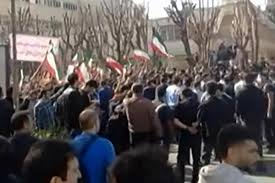
Internally, Iran is grappling with a resurgence of nationwide demonstrations. On Sunday, February 22, major higher-education institutions, including the University of Tehran and Sharif University of
Technology, witnessed violent scuffles between anti-establishment student groups and pro-government paramilitaries. These protests, which follow a brutal crackdown in early January, have created a volatile atmosphere in urban centers where many Indian students are enrolled.
The Indian Embassy has explicitly warned its citizens to “avoid areas of protests or demonstrations” and to stay clear of university campuses where security forces have been heavily deployed. There are also reports of sporadic internet blackouts, prompting the Embassy to advise families back in India to assist with the mandatory registration of their relatives through the official MEA portal if local connections fail.
India’s Strategic Balancing Act
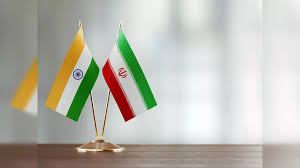
The timing of this advisory is also diplomatically sensitive, as it precedes Prime Minister Narendra Modi’s historic visit to Israel on February 25–26. As New Delhi deepens its strategic and defense partnership with Tel Aviv—discussing joint production of missile-defense systems and “layered aerial shields”—the relationship with Tehran has come under immense strain. Despite India’s continued investment in the Chabahar Port, which provides a vital link to Central Asia, the MEA has had to navigate a “zero-sum” geopolitical environment. By advising citizens to leave now, India is attempting to protect its people from being caught in the crossfire of a regional conflict that could involve Israel and the U.S. simultaneously.
About the Author