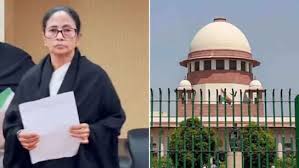
The high-stakes legal battle between the West Bengal government and the Election Commission of India (ECI) reached a critical juncture on February 9, 2026, as the Supreme Court resumed its hearing on the controversial Special Intensive Revision (SIR) of electoral rolls.
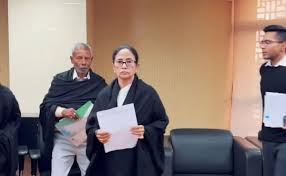
Dubbed by some as “Supreme Court 2.0” due to the intense public and digital scrutiny following Chief Minister Mamata Banerjee’s historic personal appearance on February 4, today’s proceedings were marked by a blend of procedural adjustments and stern judicial warnings.
At the heart of the dispute is Banerjee’s allegation that the SIR process is being weaponized to “bulldoze” the democratic rights of West Bengal’s citizens through large-scale, wrongful deletions of voters—particularly targeting women, migrants, and the poor.
During the hearing, a three-judge bench led by Chief Justice Surya Kant took a firm stance, balancing the need for an accurate voter list with the practical challenges of administrative execution. In a significant move to stabilize the process, the Court extended the SIR deadline by one week, providing a brief but vital window for authorities to address the staggering backlog of over 60 lakh pending hearings.
This extension comes as a partial victory for the Trinamool Congress (TMC), which had argued that the original three-month timeline was an impossible “compression” of an exercise that traditionally spans two years.
However, the Court also delivered a clear message to the State government: “No one has the right to dictate” or impede the constitutional mandate of the Election Commission. This warning was prompted by an ECI affidavit alleging that miscreants had burned official notices in certain districts.
In response, the Supreme Court directed the West Bengal Director General of Police (DGP) to file a comprehensive affidavit regarding these incidents and the failure to register FIRs against the perpetrators.
To resolve the manpower shortage that has plagued the revision process, the State government committed to providing 8,505 Group B officers to assist the ECI, a move the Court sanctioned while clarifying that the final authority over the electoral rolls remains strictly with the poll panel.
The proceedings also saw the Court dismiss a separate petition that had challenged the “constitutional propriety” of a sitting Chief Minister personally arguing her case; the bench notably remarked that Banerjee’s presence reflected “trust and faith in the Constitution” rather than an overreach of power.
As the legal drama continues to unfold, the focus now shifts to whether the additional week and the influx of state personnel can rectify the “logical discrepancies” that have flagged nearly 20% of the electorate. With the 2026 Assembly elections looming, the outcome of this case will not only determine the integrity of the voter rolls but also set a precedent for how federal units interact with central bodies during the sensitive pre-poll period. The Court has signaled that while it will protect genuine citizens from exclusion, it will not tolerate “mobocracy” or administrative friction that paralyzes the electoral process. For Mamata Banerjee, this second round in the apex court represents a pivotal effort to frame herself as the ultimate guardian of “Bengal’s dignity” against what she terms an “anti-people” central apparatus.
About the Author