For the first time in history, the 2026 Bangladeshi general election, scheduled for February 12, has officially extended its reach to the streets of London, Birmingham, and Oldham. The question of whether Bangladeshi voters in Britain can impact the outcome is no longer theoretical; it is a matter of digital registration, biometric data, and high-stakes political lobbying.
Following the historic ouster of former Prime Minister Sheikh Hasina in August 2024, the interim government led by Nobel laureate Muhammad Yunus introduced a landmark reform allowing the massive expatriate diaspora to vote remotely. In the United Kingdom, home to one of the largest and most politically active Bangladeshi communities outside of South Asia, this shift has turned local curry houses and community centres into auxiliary campaign offices.
While there are over 650,000 people of Bangladeshi heritage in the UK, the actual “impact” is filtered through a sieve of eligibility. Only those who hold a Bangladeshi National Identity Card (NID) and have registered via the Election Commission’s new digital postal app can cast a ballot. Currently, just over 32,000 UK-based citizens have successfully registered to vote.
While this may seem small compared to the millions of voters within Bangladesh, analysts point out that in a “first-past-the-post” system, even a few hundred votes from abroad can tip the scales in tightly contested seats, particularly in the Sylhet Division, where the majority of the British-Bangladeshi community originates.
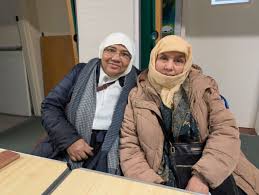
The Diaspora Divide: A Community Split by Generation
The influence of the UK diaspora is not just about the numbers at the ballot box; it is about the “remittance of ideas” and financial support. However, a significant cultural divide has emerged during this election cycle:
The First Generation: Often hold Bangladeshi passports and remain deeply invested in the internal politics of the Bangladesh Nationalist Party (BNP) or the resurgent Jamaat-e-Islami. For them, the election is a chance to rectify years of “repressed democracy.”
The Second and Third Generations: Largely British citizens who do not hold Bangladeshi NIDs. They are often more focused on UK domestic issues like the cost of living or the UK’s foreign policy. As one young voter in Tower Hamlets put it, “We live here; why should a vote there matter more than a vote for the local council?”
The Exile Factor: London remains a strategic hub for the BNP, with leader Tarique Rahman having spent 17 years in exile in the city. His ability to mobilize the UK diaspora directly correlates with the party’s visibility and funding on the ground in Dhaka.
Ultimately, the impact of Bangladeshi voters in Britain is symbolic but strategically significant. While they represent only a fraction of the total 127 million eligible voters, their financial power (sending billions in remittances) and their role as a global watchdog for “free and fair” elections give them a moral authority that candidates cannot ignore. In the final days leading to February 12, the “London lobby” remains one of the most influential forces in shaping the narrative of a post-Hasina Bangladesh.
About the Author