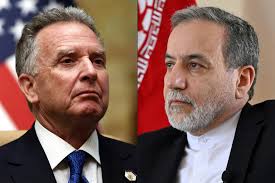
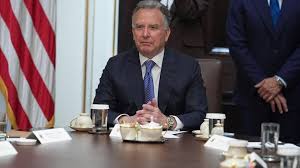
The high-stakes diplomatic theater between the United States and Iran is set to shift to the neutral ground of Muscat, Oman, this Friday, February 6, 2026, after Tehran officially confirmed its participation in what many are calling a “last-chance” negotiation to avert a broader regional conflict. Iranian Foreign Minister Abbas Araghchi signaled the regime’s readiness for the talks via a social media post on Wednesday, expressing gratitude to “Omani brothers” for facilitating the venue change from Istanbul, Turkey.
This shift in location was not merely cosmetic; it represents a significant tactical victory for Tehran, which successfully lobbied to move the talks to a venue associated with previous bilateral successes to keep the agenda focused strictly on the nuclear file. While the White House, represented by Special Envoy Steve Witkoff (and potentially senior advisor Jared Kushner), has agreed to the Oman meeting, the atmosphere remains thick with skepticism and military posturing.
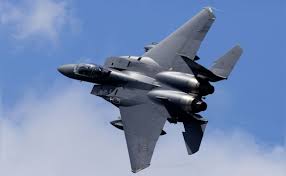
President Donald Trump has maintained a “maximum pressure” rhetoric, recently warning Supreme Leader Ayatollah Ali Khamenei that he should be “very worried” as the U.S. continues a massive naval and air buildup in the Persian Gulf. This buildup follows the shoot-down of an Iranian Shahed-139 drone by a U.S. F-35C near the USS Abraham Lincoln earlier this week, an incident that underscores how thin the line between diplomacy and kinetic engagement has become.
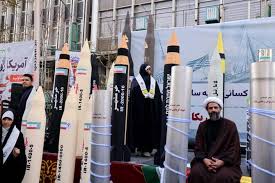
The core of the dispute remains a fundamental disagreement over the scope of the negotiations. The United States, backed by hawks like Secretary of State Marco Rubio, insists that any meaningful deal must address not just Iran’s nuclear enrichment—which has reached a perilous 60% purity—but also its vast ballistic missile program and its support for regional proxies.
From the U.S. perspective, the “nuclear-only” framework of the past is insufficient given the technical advances Iran has made since the collapse of the 2015 JCPOA. Conversely, Tehran has labeled its defense capabilities as a “red line,” with Araghchi stating that the missile program is strictly for deterrence and non-negotiable.
This stalemate nearly caused the talks to collapse on Wednesday until a coalition of nine regional governments, including Saudi Arabia and Qatar, reportedly intervened with the White House, arguing that a total breakdown in communication would inevitably lead to a military escalation that the region cannot afford. The shadow of “Operation Midnight Hammer”—the June 2025 U.S.
strikes on Iranian nuclear facilities during the brief 12-day Iran-Israel war—looms large over the Muscat summit, as Washington uses the memory of that intervention to extract concessions from a weakened Iranian leadership currently facing internal unrest and the loss of key allies like the Assad regime in Syria.
As delegates arrive in Muscat, the technical stakes are at an all-time high; with an estimated stockpile of nearly 9,870 kilograms of uranium, Iran is closer to weapons-grade capability than at any point in history.
The U.S. is demanding “zero enrichment” on Iranian soil and the total export of existing stockpiles, a condition Tehran views as an unacceptable infringement on its sovereignty. Israel, too, has injected its own urgency into the proceedings, with Prime Minister Benjamin Netanyahu convening an emergency security cabinet meeting today to ensure that any potential “Oman deal” does not leave Iran with a breakout capacity.
For Oman, the role of “honest broker” is a familiar one, but the pressure to deliver a breakthrough has never been greater. Whether these Friday talks result in a genuine de-escalation or merely serve as a precursor to further military action depends entirely on whether both sides can find a face-saving middle ground between Washington’s demands for a “grand bargain” and Tehran’s desperate need for sanctions relief to stabilize its flailing economy and domestic grip on power.
About the Author