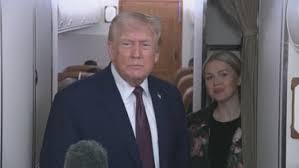
In January 2026, President Donald Trump escalated his long-standing ambition to acquire Greenland, asserting that the United States will take control of the territory “one way or the other.” Speaking to reporters aboard Air Force One on January 11, the President framed the acquisition as an absolute national security necessity, claiming that if Washington does not act, Russia or China will eventually “take over” the island. Despite intelligence reports from Nordic diplomats stating there is no evidence of increased Russian or Chinese naval activity in the region, Trump has doubled down, mocking Greenland’s current defenses as being limited to “two dog sleds” while describing the Arctic as a strategic vacuum that only American “ownership” can fill. This rhetoric marks a shift from his first-term “real estate deal” approach to a more aggressive posture that refuses to rule out military or economic coercion.
The administration’s “easy way or hard way” ultimatum has sent shockwaves through the NATO alliance. While Secretary of State Marco Rubio has reportedly told lawmakers that the preferred path is a diplomatic purchase from Denmark, the White House Press Office has explicitly stated that “utilizing the U.S. military is always an option.” This emboldened stance follows the January 2026 capture of Nicolás Maduro in Venezuela, an event that many analysts believe has set a precedent for the administration’s willingness to use kinetic force to achieve Western Hemispheric objectives. In response, Danish Prime Minister Mette Frederiksen warned that any attempt to seize the island by force would effectively end eighty years of transatlantic security cooperation, describing the situation as a “fateful moment” for Europe.
The motivation behind Trump’s focus on Greenland is multifaceted, blending traditional geopolitics with the race for critical minerals. Greenland holds some of the world’s largest deposits of rare earth elements—such as those found in the Tanbreez project—which are essential for high-tech manufacturing and defense systems currently dominated by China. By “acquiring” the territory rather than just leasing military bases, the Trump administration aims to secure these resources while establishing total hegemony over emerging Arctic shipping routes created by melting ice. Proponents in the administration argue that a Compact of Free Association (COFA)—similar to agreements the U.S. holds with Pacific island nations—could be a middle ground, offering Greenland economic aid and security in exchange for U.S. sovereignty.
However, the local population remains overwhelmingly opposed. A January 2026 joint statement from Greenlandic political parties reaffirmed that “Greenland is not for sale” and that the islanders’ future must be decided by Greenlanders alone. The administration has reportedly discussed “payouts” ranging from $10,000 to $100,000 per citizen to incentivize a transition to U.S. rule, but these offers have been met with public rebukes from labor unions and local leaders who view them as an affront to their sovereignty. As of mid-January, the standoff has created a historic rift within NATO, with President Trump acknowledging that he may eventually have to choose between “taking over Greenland or preserving the alliance.
About the Author