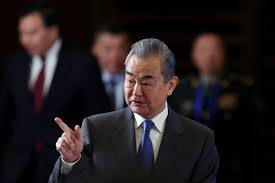

As the 2026 diplomatic calendar begins, China’s Foreign Minister Wang Yi has embarked on a high-stakes tour of Africa, maintaining a 36-year tradition of making the continent the destination for Beijing’s first overseas trip of the year. From January 7 to 12, 2026, Wang Yi’s itinerary—covering Ethiopia, Somalia, Tanzania, and Lesotho—signals a sophisticated effort to solidify China’s influence at a time of significant global upheaval and shifting American foreign policy under the Trump administration.
The Strategic Itinerary: A New Chapter in 2026
The choice of these four nations highlights China’s multi-layered strategy: securing trade routes, countering Western infrastructure projects, and positioning itself as the primary defender of the Global South against “tariff hegemony.”
Ethiopia & the African Union: The tour began in Addis Ababa, where Wang Yi attended the launch of the China-Africa Year of People-to-People Exchanges at the African Union headquarters. In 2026, which marks the 70th anniversary of China-Africa diplomatic ties, Beijing is shifting its focus toward “soft power” to deepen cultural and educational links, ensuring that its influence extends beyond mere infrastructure into the social fabric of African nations.

Somalia: A Historic Pivot: Perhaps the most significant stop is Mogadishu. This is the first visit by a Chinese foreign minister to Somalia since the 1980s. The visit serves as a direct response to Israel’s December 2025 recognition of Somaliland, a breakaway region Somalia claims as its own. By backing Mogadishu’s territorial integrity, China is positioning itself as the reliable guardian of sovereignty in the Horn of Africa, securing its interests near the Gulf of Aden—a vital maritime corridor for Chinese trade reaching European markets via the Suez Canal.
Tanzania: The Infrastructure Battleground: In Tanzania, the focus is on resource security, specifically copper. China is currently refurbishing the Tazara Railway, which connects the Tanzanian coast to Zambia’s copper belt. This project is a direct counter-weight to the U.S. and EU-backed Lobito Corridor in West Africa. By revitalizing the Tazara line, China ensures it maintains a dominant grip on the supply chains for critical minerals necessary for the global energy transition.
Lesotho: The Trade Alternative: The visit to the southern kingdom of Lesotho is a masterclass in opportunistic diplomacy. Following the 50% tariffs imposed on Lesotho’s exports by the Trump administration in 2025, Wang Yi is promoting China’s zero-tariff policy for the world’s least developed countries (LDCs). Beijing is effectively presenting itself as a champion of free trade and a “stable partner” compared to what it characterizes as the transactional and protectionist nature of current U.S. policy.
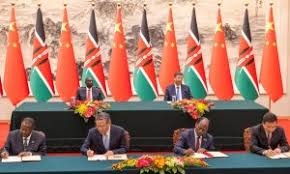
Analysis: China vs. The “America First” Doctrine
Wang Yi’s tour is not just about bilateral deals; it is a calculated response to the global perception of U.S. foreign policy in early 2026. While the United States has focused on domestic protectionism and aggressive interventions in the Western Hemisphere—such as the recent military actions in Venezuela—China is playing a “long game” in Africa.
By offering infrastructure without the political strings typically attached by Western lenders, and by stepping in to offer market access where the U.S. has retreated behind tariff walls, Beijing is filling a vacuum. The 2026 tour underscores that China views Africa not as a charity case, but as a strategic pillar of its “Major-Country Diplomacy.” This approach provides China with “strategic reassurance”—a block of allied nations that can support its positions in the United Nations and provide a stable market for Chinese goods and investments amidst an increasingly fragmented global economy.
About the Author