The ongoing controversy surrounding the 850 MW Ratle Hydroelectric Project in Kishtwar, Jammu and Kashmir, took a dramatic and security-sensitive turn this week with the surfacing of a confidential police letter.
This “twist” has shifted the narrative from a standard labor-political dispute to a significant national security concern. In a letter dated November 1, 2025, the Kishtwar Senior Superintendent of Police (SSP), Naresh Singh, warned the project’s executing agency, Megha Engineering and Infrastructure Limited (MEIL), that 29 individuals currently employed at the site have “terror or criminal” backgrounds.
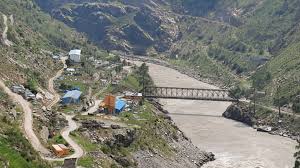
The letter characterizes the under-construction dam on the Chenab River as a “high-risk target of an enemy country” and argues that the presence of these individuals poses a direct threat to the safety and integrity of the strategically vital infrastructure.
The Profile of the 29 Employees
According to the police verification report, the 29 individuals—all working in junior or laborer positions—are categorized into two distinct groups of concern:
Militancy Links (5 Individuals): This group includes three relatives of a long-term active militant, the son of a suspected Overground Worker (OGW), and the son of a surrendered militant.
Criminal Backgrounds (24 Individuals): These workers are allegedly involved in various offenses, including criminal trespass, forgery, and “mischief with intent to cause wrongful loss.” Notably, one individual is specifically accused of attempting to contaminate local water sources.
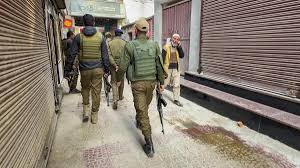
The SSP’s letter urged MEIL to “reconsider the engagement” of these workers, emphasizing that their backgrounds make them susceptible to being utilized for subversive or anti-national activities. The police have requested the company to maintain strict surveillance and report any suspicious behavior immediately.
The MEIL-Parihar Political Standoff
The revelation of this letter has added fuel to the fire in an existing conflict between MEIL management and local political leaders. Harpal Singh, the Chief Operating Officer (COO) of MEIL, had previously gone public with allegations that BJP MLA Shagun Parihar was “stalling” the project by demanding excessive local hiring and contracts for her supporters.
Parihar, whose father and uncle were killed by terrorists in 2018, has hit back, claiming the police letter “vindicates” her long-standing warnings that the company was hiring “questionable characters” and surrendering militants while neglecting legitimate local youth.
She has accused the company of using security concerns as a smokescreen to cover up its own administrative failures and alleged mistreatment of workers.
The Government’s Stance
The J&K administration, led by Chief Minister Omar Abdullah, has taken a stern view of the disruptions. Abdullah recently described the Ratle project as a “national asset” and warned that any political interference in such critical infrastructure would not be tolerated.
He noted that if similar accusations were leveled against his own ministers, they would have already faced raids by the Anti-Corruption Bureau (ACB). The Chief Minister emphasized that while the legal process must be followed regarding the 29 workers, the project—already delayed by over a decade—cannot afford further stoppages.
MEIL management has expressed hesitation about mass retrenchment, questioning the legal grounds for firing someone based on the actions of their relatives (the “kinship” factor), which they fear could lead to a fresh wave of labor unrest and court battles.
Strategic Importance and Future Outlook
The Ratle project, a joint venture between the NHPC and JKSPDC, is a cornerstone of India’s push to harness the hydroelectric potential of the Chenab.
With a revised completion deadline of May 2026, the project has been a point of contention in the Indus Waters Treaty discussions with Pakistan.
The current “twist” involving security warnings suggests that the site may see an increased presence of security forces and more stringent vetting processes in the coming months. As the EOW and local police continue their investigations, the balance between local employment demands and national security remains extremely delicate.
About the Author