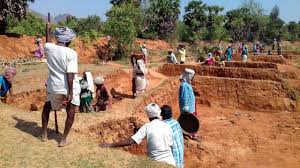
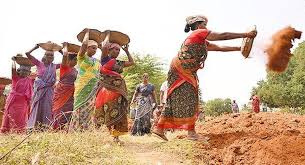
The Modi government is set to introduce the Viksit Bharat—Guarantee for Rozgar and Ajeevika Mission (Gramin) (VB-G Ram G) Bill, 2025, which aims to replace the existing Mahatma Gandhi National Rural Employment Guarantee Act (MGNREGA) and bring five key, controversial changes to the rural job guarantee framework.
First, the new Bill enhances the guaranteed wage employment days from the existing 100 days per rural household per financial year to 125 days, a move designed to boost rural incomes and counter criticism about the scheme’s funding.
Second, it introduces a significant shift in the funding pattern, which effectively increases the financial burden on states. Unlike MGNREGA, where the Centre bore the entire cost of unskilled wages, the VB-G Ram G Bill proposes a 60:40 fund-sharing ratio (Centre: State) for all general states and Union Territories with a legislature, though it retains a 90:10 ratio for North Eastern and Himalayan states.

Third, the Bill dismantles the demand-driven Labour Budget of MGNREGA, replacing it with a fixed ‘Normative Allocation’ for each state, giving the Centre greater financial control and potentially limiting the scheme’s ability to scale up automatically during periods of high demand or distress.
Fourth, the new framework introduces a provision that allows State Governments to officially pause the scheme for a total of sixty days in a financial year during peak agricultural seasons like sowing and harvesting.
This provision, aimed at ensuring the availability of labour for farm work, effectively shortens the window for workers to avail the 125-day guarantee and has drawn criticism from activists who fear it weakens the rights-based nature of the law.
Fifth, while the Bill envisages weekly wage payment to workers, it removes the statutory provision for compensation for delayed wage payments, an entitlement that existed under the MGNREGA to ensure timely disbursement and hold authorities accountable.
These changes mark a fundamental overhaul of India’s flagship social security measure, aiming to align the scheme with the ‘Viksit Bharat@2047′ vision but raising concerns about states’ financial capacity and the dilution of workers’ entitlements.
About the Author