As of March 5, 2026, a high-stakes maritime standoff is unfolding in the Indian Ocean as a second Iranian warship approaches Sri Lankan territorial waters, seeking emergency sanctuary just twenty-four hours after the catastrophic sinking of its sister ship.
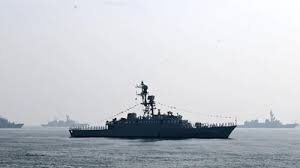
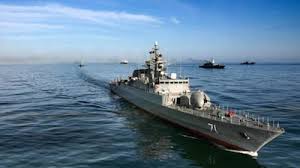
This development follows the unprecedented destruction of the IRIS Dena, an Iranian Moudge-class frigate that was torpedoed by a US submarine on Wednesday, March 4, approximately 40 nautical miles off the southern port of Galle.
The strike on the Dena, which US Defense Secretary Pete Hegseth characterized as a “Quiet Death” and the first torpedo sinking of an enemy vessel since World War II, resulted in at least 87 confirmed fatalities, with over 60 sailors still missing in the deep waters of the Indian Ocean.
The second Iranian vessel, currently idling within Sri Lanka’s Exclusive Economic Zone (EEZ), is reportedly carrying more than 100 crew members who are in a state of high alert; Sri Lankan media minister Nalinda Jayatissa and other officials have expressed grave concerns that this ship “could be targeted” in the same lethal manner if it remains in international waters.
The arrival of this second vessel has plunged the government of President Anura Kumara Dissanayake into a diplomatic crisis, as Colombo weighs its “first responder” obligations under international maritime law against the risk of being drawn into the rapidly escalating conflict between the US-Israel coalition and the Islamic Republic.
While the Sri Lanka Navy has successfully rescued 32 sailors from the Dena—who are currently being treated under elite commando protection at the Karapitiya Hospital in Galle—the request for a port call by the second ship remains under intense deliberation.
The broader geopolitical context is equally volatile: the US and Israel launched a massive offensive against Iran on February 28, 2026, which reportedly led to the death of Supreme Leader Ayatollah Ali Khamenei, prompting Iran to retaliate by seizing control of the Strait of Hormuz and launching missile barrages across the Middle East.
Iranian Foreign Minister Abbas Araghchi has denounced the sinking of the Dena, which was returning from a friendly naval exercise in Visakhapatnam, India, warning that Washington will “bitterly regret” setting a precedent of attacking sovereign vessels 2,000 miles from Iranian shores.
In Sri Lanka, the atmosphere is somber and tense; the morgue at Galle is overwhelmed, necessitating the use of freezer shipping containers to preserve the remains of the fallen sailors while search and rescue aircraft continue to scour the horizon for survivors.
Local officials emphasize that their primary concern is the safeguarding of human life, yet the presence of a second targetable asset so close to the shoreline has created a “powder keg” scenario that threatens to bring the frontline of the Third World War directly to the doorstep of South Asia.
As the second ship awaits clearance, the international community is watching closely to see if the United States will respect the neutral waters of Sri Lanka or continue its campaign of maritime interdiction in what has become a definitive and bloody chapter of 21st-century naval warfare.
About the Author